Realistic Timelines for Twilight vs Traditional Wedding Days
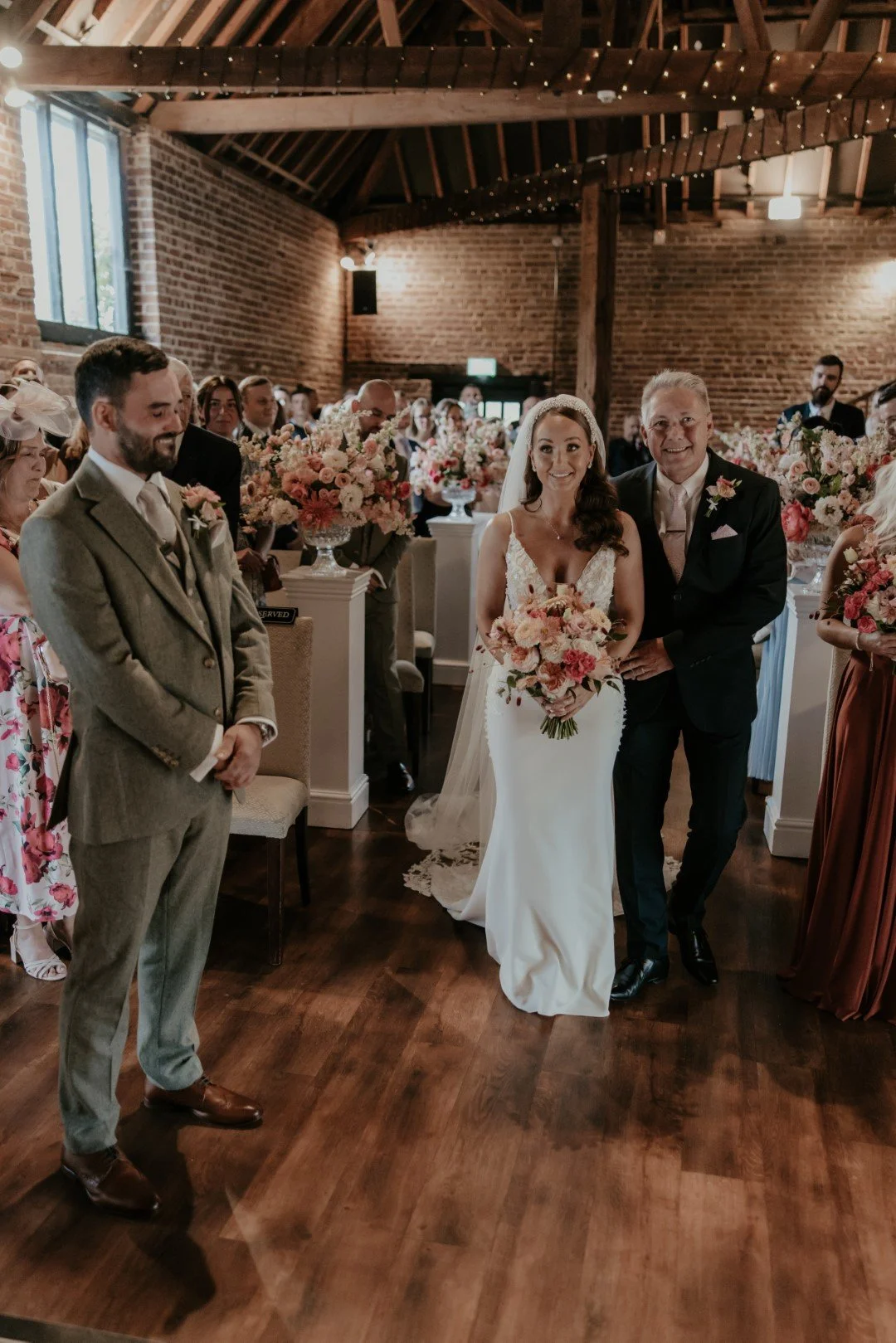
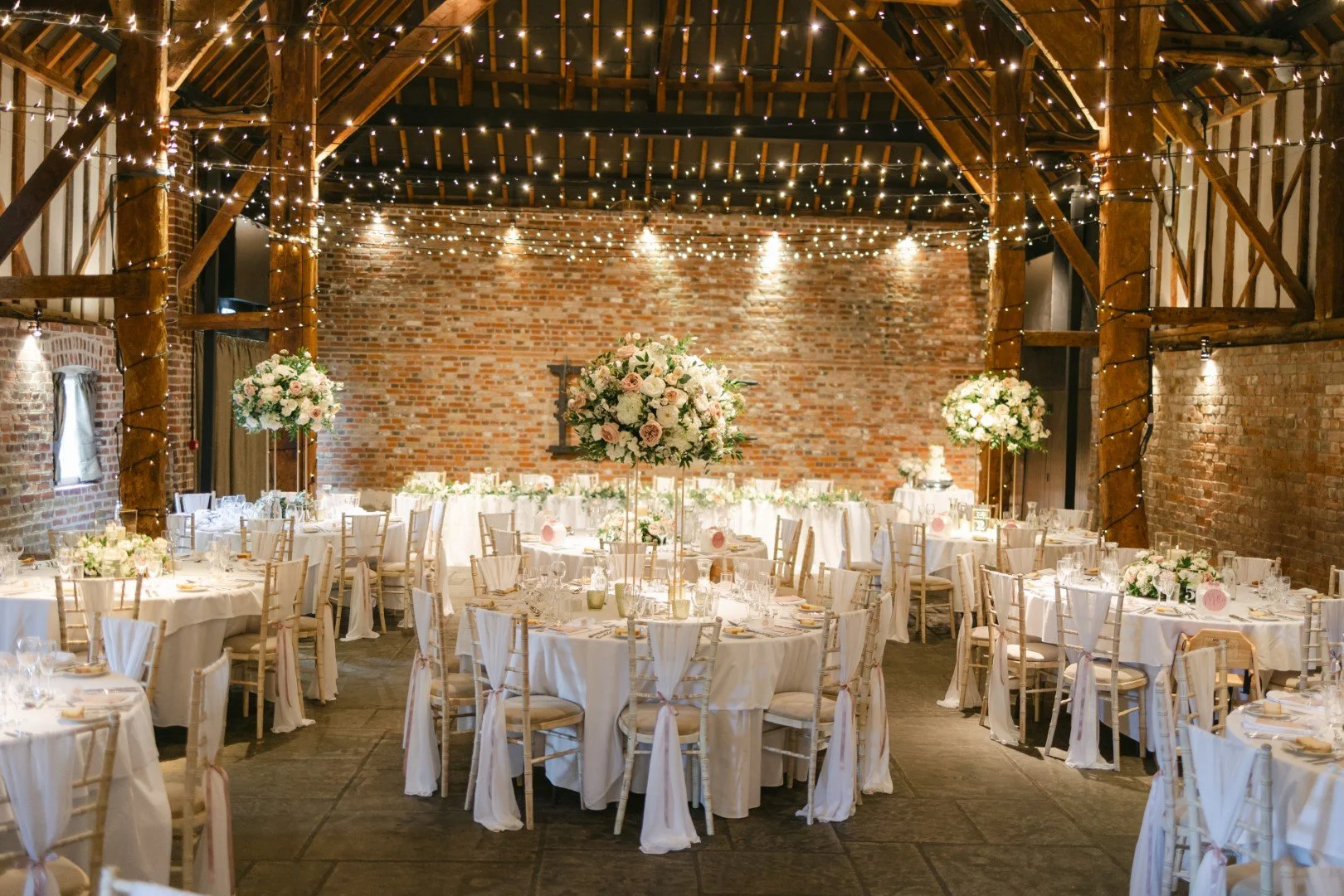
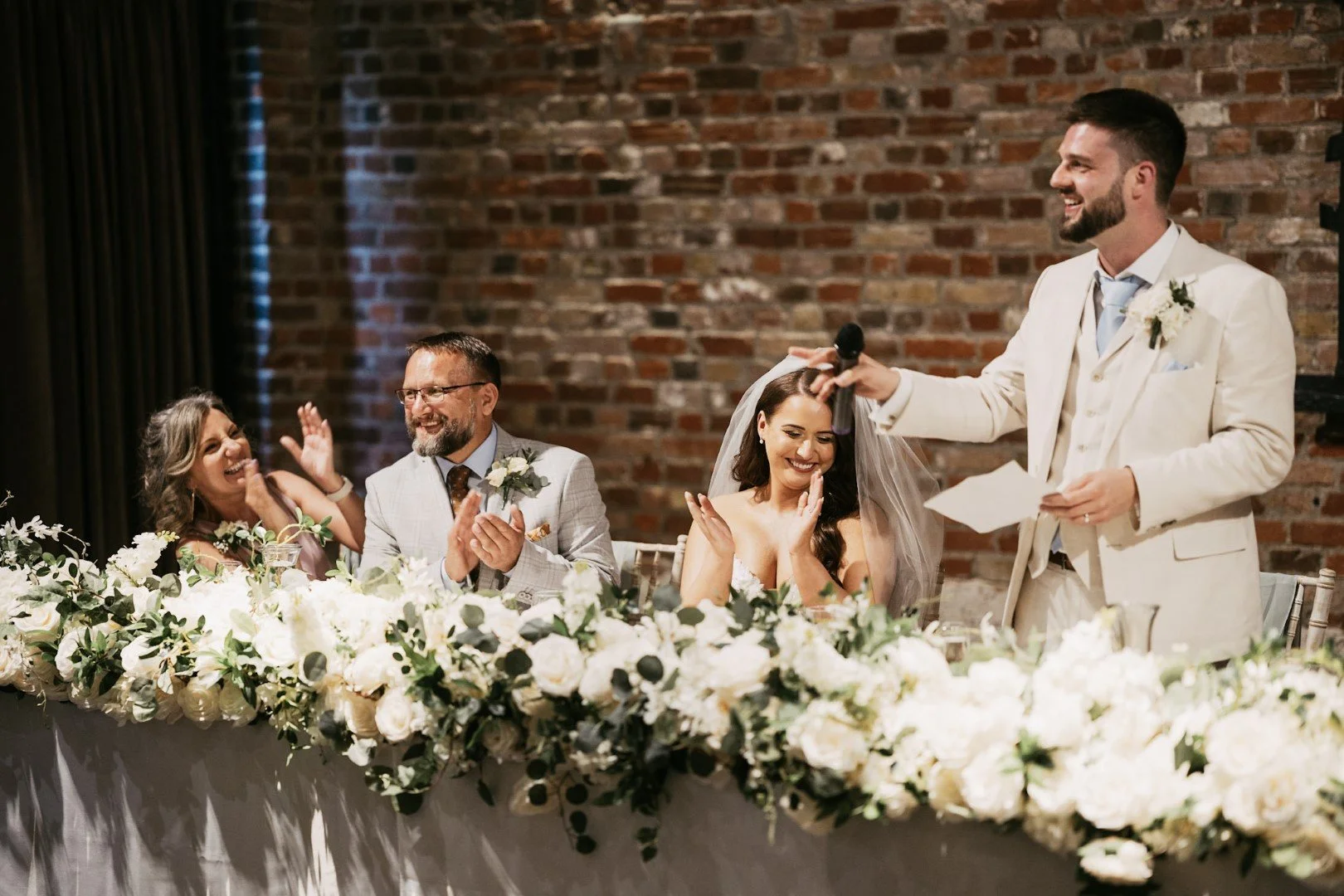
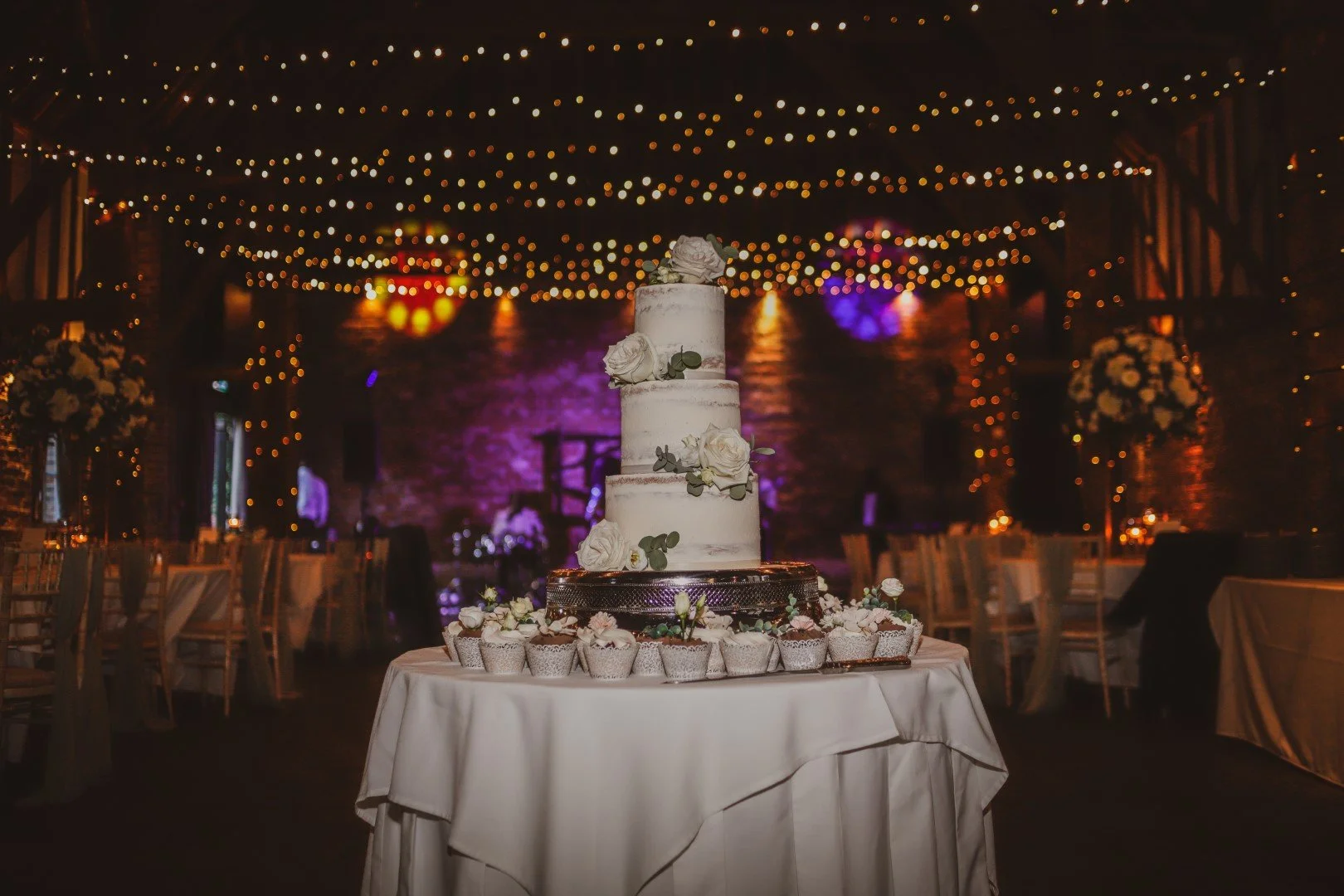
Most wedding day schedules look beautifully neat on paper. Then real life joins in.
Guests arrive in little waves. Hugs take longer than expected. Someone wants one more photo with Nan. Speeches run over by five minutes because, well, love makes people chatty.
That’s why a realistic wedding day schedule isn’t just a list of times. It’s a calm, thoughtful plan with space to breathe. At Cooling Castle Barn, our experienced, warm and quietly efficient team helps couples shape days that feel relaxed rather than rushed, whether you’re planning a traditional celebration or a later twilight wedding.
This guide compares both formats, shows where time really goes, and gives you wedding timeline buffers you can actually use.
For more planning guidance, explore our wedding day schedule advice.
Traditional vs Twilight: What Actually Changes?
A traditional wedding day usually begins with an earlier ceremony, followed by a drinks reception, photographs, wedding breakfast, speeches, first dance and evening party.
A twilight wedding timeline starts later. The ceremony moves closer to the evening, the reception feels more party-led, and there are usually fewer formal blocks before dancing begins.
Neither is “better”. They simply create different rhythms.
A traditional day gives you more time for mingling, family photos, a longer meal and gentle pauses. A twilight day can feel sleek, atmospheric and joyful, with a quicker move from “I do” to music, food and celebration.
At Cooling Castle Barn, you also have the reassurance of exclusive use. We host one wedding per day, so the barns, Moat House and seasonal gardens are yours to enjoy, supported by a dedicated team who know how to keep the day moving without making it feel managed.
Where Time Really Goes on a Wedding Day
The secret to a realistic wedding day timeline is allowing for the small moments between the big ones.
Guest arrivals and seating often need 30–45 minutes, especially if friends and family arrive together and naturally pause to greet each other.
Ceremonies vary, but 30 minutes is a sensible guide. After that, allow time for confetti, congratulations and those first “we’re married!” moments.
A traditional drinks reception usually works well at 90 minutes to two hours. That gives you space for canapés, drinks, group photos and portraits without pulling you away from guests for too long.
Group photos can be quick if they’re planned well. Allow around 20–40 minutes, depending on the list. Couple portraits might need 20–30 minutes, with a short extra window later if you’d love golden-hour images in the gardens.
Food service depends on your menu, guest numbers and speeches. Our in-house chefs, friendly service team and experienced Duty Manager work together so the meal feels smooth, not stop-start. Seasonal, locally sourced dishes and guest pre-orders can also help the pace feel considered.
Simple Buffer Rules That Keep Things Calm
A good wedding day itinerary protects your mood as much as your timings.
Use these rules of thumb:
- Add a 10–15 minute movement buffer between major moments.
- Build one catch-up pocket before the meal or speeches.
- Keep group photo lists focused and share them with key people in advance.
- Protect a short portrait window if daylight matters to you.
- Give suppliers and your wedding party clear arrival times.
- Avoid placing speeches, cake cutting and first dance too tightly together.
Use case: If your ceremony ends at 2.30pm, don’t plan group photos for 2.35pm. Give people time to congratulate you, gather naturally and enjoy the moment. Your photographer, Duty Manager and our attentive venue team can then help the next part feel easy.
Traditional Wedding Day Timeline Example
Here’s a realistic traditional wedding day timeline for a 1.30pm ceremony.
| Time | Moment |
|---|---|
| 11.00am | Couple preparations begin in the duplex suite |
| 12.45pm | Guests begin arriving |
| 1.15pm | Guests seated |
| 1.30pm | Ceremony |
| 2.00pm | Confetti and congratulations |
| 2.20pm | Drinks reception begins |
| 2.30pm | Group photos |
| 3.10pm | Couple portraits |
| 3.40pm | Time with guests |
| 4.15pm | Guests invited through for wedding breakfast |
| 4.30pm | Wedding breakfast |
| 6.30pm | Speeches |
| 7.15pm | Evening guests arrive |
| 7.45pm | Cake cutting |
| 8.00pm | First dance |
| 8.05pm | Evening party begins |
This structure gives you a generous reception window, time for photographs and a natural build into the evening. It also includes breathing space, which matters more than couples often realise.
At Cooling Castle Barn, your Duty Manager is there in the background, calmly keeping the day on track. Our welcoming team will guide guests between spaces clearly and kindly, so no one is left wondering where to be.
Twilight Wedding Timeline Example
A twilight wedding timeline works best when it stays simple and confident. Here’s an example for a 4.30pm ceremony.
| Time | Moment |
|---|---|
| 1.30pm | Couple preparations begin |
| 3.45pm | Guests begin arriving |
| 4.15pm | Guests seated |
| 4.30pm | Ceremony |
| 5.00pm | Confetti and congratulations |
| 5.20pm | Drinks and relaxed photographs |
| 5.45pm | Couple portraits |
| 6.15pm | Food service or informal dining begins |
| 7.15pm | Short speeches or thank-yous |
| 7.45pm | Evening atmosphere builds |
| 8.15pm | First dance |
| 8.20pm | Party begins |
The main difference is pace. A twilight celebration doesn’t need to feel rushed, but it does need sharper choices. Keep group photos short, protect your portrait time, and decide whether speeches are essential or better as brief thank-yous.
For the bigger decision around format and feel, read Is a twilight wedding right for you? Pros, considerations and ideas.
Summer, Winter and Daylight Windows
Daylight changes the shape of your wedding day schedule UK couples should consider, especially if outdoor photos matter.
In summer, a later portrait window can be beautiful. You may have time for relaxed garden photographs after the meal, when the light softens around the barns and grounds.
In winter, plan portraits earlier. A twilight wedding can still feel wonderfully atmospheric, but your key daylight photos may need to happen soon after the ceremony. The good news? The high-beamed barns, Moat House and carefully tended gardens offer beautiful backdrops throughout the year.
Our gardening team cares for the grounds in every season, and our experienced team can help you think through what works best for your chosen date.
A Simple Wedding Day Schedule Template
Start with the fixed points, then work backwards and forwards.
Use this wedding day schedule template as your base:
- Guest arrival:
- Ceremony:
- Confetti and congratulations:
- Drinks reception:
- Group photos:
- Couple portraits:
- Wedding breakfast or food service:
- Speeches:
- Evening guest arrival:
- Cake cutting:
- First dance:
- Evening food:
- Last dance:
Then add your buffers. A day of wedding schedule timeline template without buffers is only half useful. The calm comes from the gaps.
Example: For a schedule wedding day timeline 3pm ceremony, you might plan guest arrival from 2.15pm, ceremony at 3pm, drinks from 3.40pm, food at 5.30pm, speeches around 7pm and first dance around 8.15pm.
Common Timeline Pinch Points and Easy Fixes
The most common delays are rarely dramatic. They’re small, ordinary things that stack up.
A photo list with too many combinations can eat into your drinks reception. Keep it focused and ask one confident person to help gather family.
Unclear call times can make people late. Share timings with your wedding party, suppliers and close family before the day.
Speeches can run long. Give each speaker a gentle guide time, especially if you want the evening party to start promptly.
Guests can be unsure where to go next. This is where a brilliant venue team makes such a difference. At Cooling Castle Barn, our warm, highly professional team and dedicated Duty Manager are close by throughout the day, offering gentle direction and reassurance so everything feels natural.
And once the last dance has played, you don’t need to disappear far. With 15 on-site bedrooms, including family options, and a newlyweds’ duplex suite with a freestanding bath, the celebration can end softly and comfortably.
A realistic timeline isn’t about squeezing more in. It’s about protecting the moments you’ll remember: the first look down the aisle, the laughter over dinner, the golden pause in the gardens, the first dance under warm evening light.
FAQs
What’s a realistic wedding day schedule that won’t feel rushed?
A realistic wedding day schedule includes buffers between major moments. Allow time for arrivals, greetings, movement, photographs, food service and speeches rather than placing everything back-to-back.
How long should you allow between the ceremony and wedding breakfast?
For a traditional day, allow around 90 minutes to two hours between the ceremony and wedding breakfast. This gives time for drinks, canapés, congratulations, group photos and couple portraits.
How long do group photos usually take?
Group photos usually take 20–40 minutes, depending on the number of combinations. Keep the list focused, share it with your photographer, and ask someone who knows both families to help gather people.
Where should speeches sit in the timeline?
Speeches can work before or after the meal. Before food can calm nervous speakers, while after food can feel more traditional and relaxed. The best choice depends on your speakers and the pace you want.
What time should the first dance happen?
For many weddings, the first dance works well between 8pm and 8.30pm. This gives evening guests time to arrive and helps the party begin before the night feels too late.
Come and see how your day could flow through the barns, gardens and evening celebrations—book a friendly show-round with our experienced team and ask us about traditional and twilight timings.